


TOLL SUBSCRIPTION PLANS
FOR PRIVATE INDIVIDUALS

ELECTRONIC TOLL PLANS
FOR PROFESSIONALS
BIP&GO
SERVICES
OUR PARTNERS
TOLL SUBSCRIPTION PLANS
FOR PRIVATE INDIVIDUALS
ELECTRONIC TOLL PLANS
FOR PROFESSIONALS
BIP&GO
SERVICES
OUR PARTNERS
21/08/2026
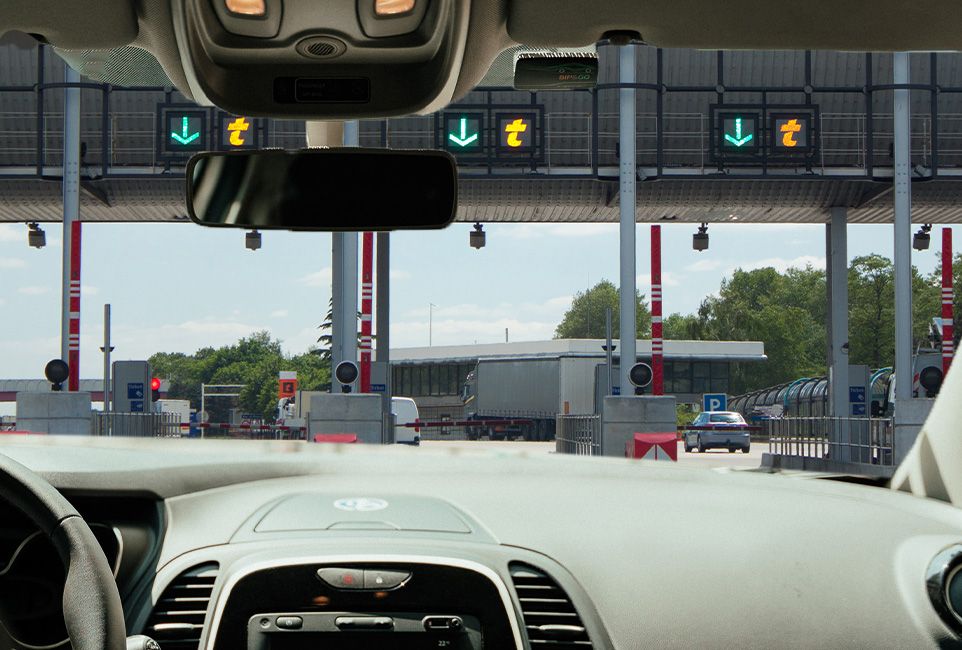
Located in the Île-de-France region to the west of Paris, the A14 motorway is a key route linking the La Défense business district to Orgeval in the Yvelines. Spanning 20 kilometres, this route serves the towns of Chambourcy, Saint-Germain-en-Laye and Poissy. Convenient and heavily used, the A14 offers easy access to the A13 motorway. Over the years, however, high traffic volumes have led to several issues: frequent traffic jams at key junctions, road accidents, and more. Sanef, the company responsible for operating this French motorway, has therefore launched a transformation project to optimise traffic flow on this route.
Recognising the challenges of the Nanterre (Hauts-de-Seine) – Orgeval (Yvelines) corridor, Sanef has partnered with Bip&Go to deliver an innovative solution. From June 2024, the A14 motorway will transition to free-flow tolling.
A free-flow motorway is simply a route that operates without traditional toll barriers. This technology was developed several decades ago and was first introduced on Norwegian motorways in 1991. Since then, many European motorways have adopted free-flow tolling, either to improve traffic or as part of new tolling infrastructure. In France, free-flow tolling is already in place on the A4 at Boulay and on the A79 motorway.
While many countries use a mixed system, combining free-flow and standard tolls, this new technology is gradually transforming motorway use in France.
The main aim of a free-flow motorway is to optimise traffic by eliminating the need for drivers to stop and pay at toll barriers. Operators use new technology to replace traditional toll booths with gantries. This allows for a smoother journey compared to the classic motorway system.
To detect vehicles, metal gantries are installed across the entire carriageway. In some cases, detection systems are also used at tunnel entrances, as is common in Norway. Each gantry is equipped with:
- Sensors to identify the vehicle category (cars, vans, motorcycles, HGVs) and apply the correct toll,
- Antennas to detect the badges of electronic toll subscribers,
- Cameras to photograph the number plates of non-subscribers.
Subscribers don’t need to do anything—the payment is automatically added to their electronic toll badge invoice. Non-subscribers can pay via sanef.com or at a Nirio tobacconist. It is important to note that they have just 72 hours to pay their toll.
Given the high traffic on the A14, it was essential to find a solution to make daily life easier for drivers and improve traffic flow. In Yvelines, eliminating the Montesson and Chambourcy tolls and replacing them with free-flow gantries will help optimise traffic in this area.
Free-flow motorways offer many advantages, including:
- Smoother traffic, saving drivers time every day. Experts estimate that free-flow tolling will save a total of 1.7 million driving hours on this route.
- Improved safety, as barrier tolls are hotspots for minor collisions and accidents. Their elimination reduces driver stress and the risk associated with changing lanes in queues.
- Greater accessibility, as these “next-generation” motorways provide a better travel experience.
- Simpler operation, with payment made in one go per trip and no need for drivers to keep track of a ticket.
Transforming traditional expressways into free-flow motorways also benefits the environment. Eliminating toll barriers reduces fuel consumption by around 9.5 million litres per year, cuts CO2 emissions by 25,000 tonnes annually, and saves 3.8 million kWh of electricity per year. Switching to free-flow tolling on the A14 and A13 will also return 28 hectares of land to nature.
To implement free-flow tolling, the Sanef Group has worked closely with a subsidiary, Bip&Go. Together, they share a common goal: to offer drivers greener, safer and more seamless journeys.
With over 2 million customers, Bip&Go is now a leading mobility provider in France. Its free-flow tolling technology is revolutionising major routes by offering a faster, greener and safer solution. Since its creation in 2012, Bip&Go has continued to innovate, providing tailored solutions for both individuals and businesses.
With a Bip&Go electronic toll badge, you save valuable time on your trips. Simply fit your badge to your windscreen for automatic detection. No further action is required—your trips are billed automatically to your badge account.
Subscribe to Bip&Go and travel with total freedom!
Bip&Go also simplifies fleet management for businesses. Thanks to this innovative solution, you can access and download all your invoices directly from your subscriber account.
Discover Bip&Go offers for professionals!
The sensor scans your badge as you pass, and your journeys are automatically billed to your badge account.
Bip&Go offers several subscription options depending on how often you use the motorway. With a subscription, you benefit from easy access to any remaining standard tolls and automatic payment of your journey’s cost.
To subscribe to Bip&Go, simply choose the plan best suited to your needs from the different offers available.
Services for private individuals
© 2026 BIP&GO - All rights reserved


Services for private individuals

Services for professionals
Bip&Go services
About Bip&Go
© 2026 BIP&GO - All rights reserved



